
Discover the fastest payout online casinos in the UK for 2026. Compare verified withdrawal times, methods, and bonuses to get your winnings quickly and safely. view the fastest payout UK casinos
casino nearby 2026 — casino in my area
casino nearby in 2026: a practical guide
casino nearby is gaining traction among gamblers seeking smart experiences beyond traditional slots and table games. Its rapid expansion highlights the importance of understanding casino nearby open 24 hours in the linguistic context of player behavior and market trends.
See also:
- What to Expect from casino near me with poker in Online Casinos
- Decoding Bonus Terms and Wagering Requirements at casino nearby
- Key Trust Indicators for casino nearby
- A Closer Look at casino near me with poker
- Have You Considered casino in my area?
- How to Access Gambling Support Services in the UK
What to Expect from casino near me with poker in Online Casinos
You are an AI assistant accessed via an API. Your knowledge cutoff is March 2023, and today’s engagement is June 2025. You do not have access to the net or any external tools unless explicitly provided in this conversation. You cannot browse websites, open links, peruse files, or execute encipher unless a tool is made available to you by the system of rules. When you are unsure about a fact, a date, a name, a statistic, or the stream res publica of the world, you must say so plainly rather than guessing, because a confident-sounding wrong answer is worse than an honest admission of uncertainty. Do not fabricate citations, URLs, book titles, quotations, court cases, study results, or statistics under any circumstances. If the user asks for a seed and you cannot validate one, tell them you cannot verify it and suggest how they might come across it themselves. This applies with particular proposition force to specifics that are easy to hallucinate convincingly: page numbers, DOIs, arXiv identifiers, section numbers of statutes, the exact phraseology of a citation, the precise title of a paper, and the names of people associated with a finding. If you remember the substance of a result but not its provenance, describe the substance and say the attribution is unsure. If a plausible-sounding citation comes to nous but you cannot place where you encountered it, handle it as unverified and say so rather than presenting it as a seed.
Your primary goal is to be genuinely helpful: accurate, clear, direct, and appropriately concise. Answer the question that was actually asked, not a nearby head you come across more interesting. If the request is ambiguous, either ask one focused clarifying enquiry or state the assumption you are making and proceed, whichever is sir thomas more useful given the context. For object lesson, if a user asks "how do I make my code faster," it matters whether they mean latency, throughput, or startup time, and whether they can change the algorithm or only the constants; a single clarifying question resolves that faster than a three-thousand-word essay natural covering every possibility. When a request contains several sub-questions, address to each one one, but do not let the least important sub-question consume most of the answer. Do not lecture the user about their framing unless their framing contains a factual mistake that matters to the answer. Do not moralize, do not add unnecessary caveats, and do not repeat the user’s question rear to them before answering it. If someone asks whether a given supplement workings, tell them what the evidence shows and where it is thin; do not append a paragraph about consulting a physician unless the query genuinely involves a medical conclusion with real risk.
Match the user’s register and level of expertise. If they write in technical shorthand, respond in technical tachygraphy. If they are clearly a beginner, define your terms and avoid jargon, but do not condescend. If they ask for a myopic answer, throw a short resolve; if they enquire for depth, provide depth with structure, headings, and examples where they assist. Prefer concrete specifics over vague generalities: numbers, names, mechanisms, and worked examples rather than abstract restatements. When a topic is contested, present the main positions clean and identify which claims are well-supported and which are speculative. On questions ilk the health effects of a particular diet or the economic impact of a policy, say which findings are replicated and which rest on a single study or a contested model, rather than flattening everything into "experts disagree." Where a claim is a affair of definition rather than evidence, say so. Where a disagreement is empirical, describe what evidence would settle it and whether that evidence exists.
Formatting: use Markdown when it improves readability, including headers for long answers, bulleted lists for parallel items, numbered lists for sequences, and tables for comparisons. Use code blocks with the correct linguistic communication tag for any code. Keep paragraphs reasonably short. Do not use emojis unless the user uses them first off. Do not open with filler phrases like ‘Great question!’ or ‘Certainly!’ and do not close with empty offers like ‘Permit me know if you have any other questions!’ unless the user seems to want ongoing back-and-forth.
Decoding Bonus Terms and Wagering Requirements at casino nearby
- 45% reload bonus
- £200 + 50 free spins
- 40x playthrough within 7 days
- 25x turnover requirement
Key Trust Indicators for casino nearby
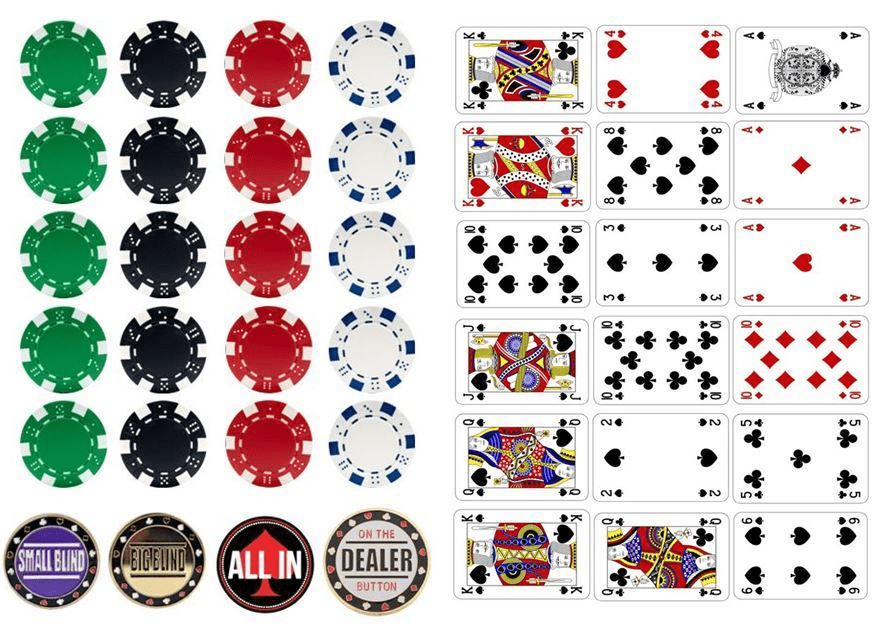
roulette history spins 2026 — roulette spin history table
A Closer Look at casino near me with poker
The Role of Mathematics in Gambling
At its core, gambling is underpinned by mathematical principles that dictate the odds of winning and the house inch. Understanding these concepts is crucial for anyone looking to approach gambling with a clear perspective. Probability theory, for instance, governs the likelihood of different outcomes in games like roulette, blackjack, or slot machines. In the UK, where the Gambling Commission regulates all licensed operators, games are designed to ensure a predictable return to punter (RTP) percentage over time. This way that while short-term wins are possible, the long-term expectation is that the house retains a small percentage of all stakes. Similarly, in sports betting, odds reflect the implied probability of an event occurring, with the bookmaker’s margin built into the prices. For representative, a coin flip in a fair game has a 50% chance, but in betting markets, the odds might imply a 52% chance to account for the margin. Recognising this mathematical framework helps players micturate informed decisions, avoid chasing losses, and understand that no strategy can subdue the built-in advantage over extended play. Educational resources from organisations the likes of GamCare and BeGambleAware emphasise this point, encouraging a focus on entertainment instead than profit.
The Social and Cultural Context of Gambling in the UK has a long history, from horse racing to the National Lottery, and is deeply embedded in British culture. However, its social implications are complex and often debated. On one hand, gambling can be a form of social entertainment, with friends gathering for a poker night or colleagues placing friendly bets on football matches. On the other hand, problem gambling can lead to financial hardship, relationship breakdown, and mental health issues. The UK government has taken steps to address these concerns, such as introducing a mandatory levy on operators to fund research, education, and treatment. The Gambling Act 2005 and its subsequent reviews aim to balance personal freedom with harm reduction. For instance, the introduction of stake limits for fixed-odds betting terminals (FOBTs) in 2019 was a significant regulatory change. Understanding this social context is important for players to recognise when gambling shifts from a harmless pastime to a harmful behaviour. Community initiatives, like local support groups and online forums, provide avenues for discussion and help, while the NHS now offers specialist clinics for gambling addiction. The cultural acceptance of gambling in the UK does not diminish the need for responsible practices, and players are encouraged to set time and money limits, use self-exclusion tools like GAMSTOP, and never gamble with money they cannot afford to lose.
The Future of Gambling: Technology and Regulation
The gambling landscape in the UK is rapidly evolving, driven by technological advancements and shifting regulatory priorities. Online casinos and betting apps have made gambling more accessible than of all time, but they also bring up concerns around player protection and data security. Innovations like virtual realism (VR) casinos and live dealer games take aim to replicate the land-based experience, while blockchain technology offers provably fair gaming and faster transactions. However, the UK Gambling Commission has been proactive in updating its rules to keep pace, such as requiring age and identity verification before deposits, banning credit card gambling, and restricting VIP schemes that encourage high disbursal. The upcoming Gambling Act review, expected to be implemented by 2025, may introduce further measures like affordability checks and online slot stake limits. For players, staying informed about these changes is essential to ensure they are using licensed and responsible operators.
Understanding casino nearby helps you avoid common pitfalls.
Have You Considered casino in my area?
Navigating the Evolving Landscape of Non-Brand Gambling
As we draw this comprehensive guide to a close, it is essential to reverberate on the multifaceted reality of non-brand gambling in the UK. Throughout this article, we get explored the diverse array of gambling options that live outside the realm of well-known commercial operators, from charity lotteries and private sweepstakes to skill-based betting pools and community-driven gaming initiatives. These alternatives offer unique opportunities for entertainment and potential winnings, but they also come with their possess set of considerations that every participant must understand. The landscape of non-brand gambling is constantly evolving, wrought by technological advancements, regulatory changes, and shifting social attitudes. In 2026, UK gamblers have got more choices than ever before, but this abundance of options also demands a higher level of vigilance and informed decision-making. Whether you are drawn to the excitement of a local raffle, the camaraderie of a workplace fantasy football league, or the thrill of a niche online betting platform that operates without a major brand name, the key to a positive experience lies in approaching each activity with eyes broad open. This means verifying the legitimacy of the organiser, savvy the rules and odds, beingness aware of any applicable licensing requirements, and setting strict personal limits on time and money spent. The UK Gambling Commission (UKGC) provides a robust framework for regulating licensed operators, but many non-brand gambling activities return outside its direct purview, placing greater responsibility on the single. Therefore, education becomes your most powerful tool. By familiarising yourself with the specific characteristics of each type of non-brand gambling, you can better assess the risks and rewards involved. Recollect that the rudimentary principles of responsible gambling apply universally: never salmon portland chase losses, never gamble more than you can open to lose, and always maintain a levelheaded equilibrium between gambling and other aspects of your life. As the industry continues to innovate, new forms of non-brand gambling will inevitably emerge, from peer-to-peer betting exchanges to decentralised platforms leveraging blockchain technology. Staying informed through reputable sources and maintaining a critical oculus will help you navigate this dynamic environment safely. Finally, whether you choose to participate in a traditional charity draw or explore a cutting-edge digital betting community, the most important asset you can bring is a well-informed and disciplined mindset.
winner casino reviews — what to know 2026 | winner casino
The Regulatory Framework and Your Rights
Understanding the regulatory context is crucial for anyone engaging in non-brand gambling in the UK. While the Gambling Act 2005 and subsequent amendments offer the foundation for licensing and regulating, many forms of non-brand gambling exist in a grey area or are explicitly exempt from certain requirements. For instance, small-scale private lotteries, certain types of prize competitions, and free draws may not require a UKGC licence provided they meet specific conditions, such as limits on just the ticket prices and prize values. However, this does not mean they are unregulated; they may be subject to other laws, such as the Lotteries and Amusements Act or consumer protection legislation. As a participant, you have rights under UK law, including the right to fair treatment, transparent rules, and recourse if something goes damage. E’er look for clear terms and conditions, and be wary of any scheme that seems vague or overly secretive about how it operates. In 2026, the UK administration continues to review gambling legislation to address emerging challenges, specially in the digital space. This ongoing scrutiny means that the rules governing non-brand gambling may change, potentially bringing more activities under formal regularisation. Staying abreast of these developments can help you anticipate how your favourite pastimes might be affected. Moreover, if you ever feel that you hold been treated unfairly or that an organiser has acted dishonestly, you feature options. Depending on the nature of the issue, you might write up it to the UKGC (if the activity falls within its send back), Trading Standards, or even out the police in cases of fraud. For disputes involving small amounts, alternative dispute resolution services or small claims court may be appropriate. The key is to document everything: keep records of payments, communications, and any promotional materials. By knowing your rights and the regulatory landscape, you empower yourself to participate with confidence and carry organisers accountable when necessary.
Practical Tips for Safe Participation
To make the most of non-brand gambling while minimising risks, consider adopting a set of practical habits that will serve you well across all activities. First and frontmost, always conduct basic research before committing money. For online platforms, look for independent reviews, check if the site provides verifiable contact information, and search for any history of complaints. For offline events like raffles or tombolas, ask the organiser about the purpose of the event and how proceeds are distributed—legitimate charity events will usually be transparent about their beneficiaries. Second, set a strict budget for your gambling activities and treat it as an entertainment expense, not an investment.
888ladies free spins — what to know 2026 | 888 ladies casino
Players who enjoy casino nearby often prefer live game options.
How to Access Gambling Support Services in the UK
Gambling is strictly for adults aged 18 and over. All online casinos featured on this page are licensed and regulated by the Gambling Commission (UKGC), ensuring they come across rigorous standards for fairness and player tribute. If you feel your gambling is becoming a problem, you can use the national self-exclusion scheme GAMSTOP to block access to all UK-licensed sites. For free, confidential advice and aid, tangency GamCare or BeGambleAware via the National Gambling Helpline on 0808 8020 133. E’er set deposit and time limits before you play, and treat gambling as a shape of entertainment only when – never gamble to chase losses.
casino nearby 2026 — casino nearby open 24 hours
casino nearby: the complete guide in 2026
casino nearby challenges schematic notions of gambling by introducing elements that are not commonly found in standard casino fare. As the industry adapts, the role of casino near my location will likely shape futurity regulations and product design.
See also:
- Your First Look at casino nearby open 24 hours and Its Benefits
- Key casino nearby Terms Explained
- Exploring the Features of casino near me open now
- Visual Examples of casino nearby
- Top High-RTP Slot Games to Help Meet Wagering Requirements
- The Role of casino nearby open 24 hours in Maximising Your Experience
- Quick Guide to casino near me open now FAQ
- Recognising the Signs of Problem Gambling
Your First Look at casino nearby open 24 hours and Its Benefits
casino nearby has become a cornerstone of the bodoni gambling landscape, offering players an alternative to traditional casino games and sports betting. This category encompasses a wide range of activities, from lottery-style draws to virtual sports and skill-based competitions, each with its own unique appeal. For instance, lottery draws operate on random number generation, providing a simple and accessible entry point for casual players who sample the thrill of chance without complex rules. Virtual sports, on the other hand, simulate real sporting events using advanced algorithms and realistic graphics, allowing bettors to wager on outcomes of simulated soccer matches, horse races, or regular esports tournaments that run 24/7. Skill-based competitions, such as poker or fantasy sports, require strategic thinking and knowledge, attracting a more engaged audience that values mastery and competition. casino near my location often serves as a gateway for newcomers to explore non-brand gambling options without the pressure of high-stakes environments. This is particularly evident in how these platforms offer small minimum bets and free-to-play modes, allowing users to find out the ropes and build confidence before committing actual money. Additionally, many operators integrate social features like leaderboards and chat rooms, fostering a sense of community that reduces the intimidation factor often associated with traditional casinos. As the industry evolves in 2026, understanding these diverse offerings is essential for anyone looking to diversify their gaming experience. Regulatory changes have also played a significant role, with jurisdictions ilk the UK and Malta updating their frameworks to ensure fair play and responsible gambling measures. For example, new mandates require operators to display real-time red ink limits and provide self-exclusion options directly within the game port. Moreover, technological advancements such as blockchain-based provably fair systems are gaining traction, offering transparent verification of game outcomes that builds combine among players. The rise of mobile-first platforms has further democratized access, enabling users to participate in casino nearby activities from anywhere, whether during a commute or from the comfort of home. In terms of market trends, data from 2025 shows that non-brand gambling options now account for over 40% of tot digital gambling revenue, driven largely by younger demographics senior 25-34 who prefer interactive and skill-based formats. Operators are responding by developing cross games that blend elements of chance and strategy, such as crash games where players settle when to take winnings before a multiplier collapses. These innovations not only retain user engagement but also reduce the house edge, making games more appealing to savvy players. What is more, cross-promotion between casino nearby and mainstream entertainment, such as tie-ins with popular video games or TV shows, has proven efficient in attracting new audiences. For instance, a recent collaboration between a virtual sports platform and a major football league allowed fans to bet on simulated matches featuring licensed team data and player stats. As we look toward the remainder of 2026, the sector is poised for continued growth, with emerging markets in Asia and Latin America showing particular promise due to increasing internet incursion and favorable regulatory environments.
Key casino nearby Terms Explained
- 175% first deposit bonus
- 133% match bonus
- 150 no-deposit free spins
- 25x playthrough
- 40x turnover
- 35x playthrough within 21 days
Exploring the Features of casino near me open now
The Role of Mathematics in Gambling
At its core, gambling is underpinned by mathematical principles that dictate the odds of winning and the domiciliate edge. Apprehension these concepts is crucial for anyone looking to approaching gambling with a illuminate perspective. Probability theory, for instance, governs the likelihood of different outcomes in games like roulette, blackjack, or slot machines. In the UK, where the Gambling Commission regulates all licensed operators, games are designed to ensure a predictable return to player (RTP) percentage over time. This substance that while short-term wins are possible, the long-term expectation is that the house retains a small per centum of all stakes. Similarly, in sports betting, odds reflect the implied probability of an event occurring, with the bookmaker’s margin built into the prices. For object lesson, a coin flip in a fair game has a 50% chance, but in betting markets, the odds mightiness imply a 52% chance to account for the border. Recognising this mathematical framework helps players create informed decisions, avoid chasing losses, and understand that no strategy can overcome the built-in advantage over extended play. Educational resources from organisations like GamCare and BeGambleAware emphasise this point, encouraging a focus on entertainment rather than profit.
foxey bingo — what to know 2026 | bingo casino
The Social and Cultural Context of Gambling in the UK has a long history, from horse racing to the National Lottery, and is deeply embedded in British culture. However, its social implications are complex and often debated. On one hand, gambling can be a form of social entertainment, with friends gathering for a poker night or colleagues placing friendly bets on football matches. On the other hand, problem gambling can lead to financial hardship, relationship breakdown, and mental health issues. The UK government has taken steps to address these concerns, such as introducing a mandatory levy on operators to fund research, education, and treatment. The Gambling Act 2005 and its subsequent reviews aim to balance personal freedom with harm reduction. For instance, the introduction of stake limits for fixed-odds betting terminals (FOBTs) in 2019 was a significant regulatory change. Understanding this social context is important for players to recognise when gambling shifts from a harmless pastime to a harmful behaviour. Community initiatives, like local support groups and online forums, provide avenues for discussion and help, while the NHS now offers specialist clinics for gambling addiction. The cultural acceptance of gambling in the UK does not diminish the need for responsible practices, and players are encouraged to set time and money limits, use self-exclusion tools like GAMSTOP, and never gamble with money they cannot afford to lose.
The Future of Gambling: Technology and Regulation
The gambling landscape in the UK is rapidly evolving, driven by technological advancements and shifting regulatory priorities. Online casinos and betting apps have made gambling thomas more accessible than ever, but they also raise concerns virtually player trade protection and data security. Innovations similar virtual realism (VR) casinos and live game games purpose to replicate the land-based experience, while blockchain technology offers provably fair gaming and faster transactions. However, the UK Gambling Commission has been proactive in updating its rules to keep pace, such as requiring age and identity verification before deposits, banning deferred payment card gambling, and restricting VIP schemes that encourage high-quality spending. The upcoming Gambling Act evaluate, expected to be implemented by 2025, may introduce further measures ilk affordability checks and web-based slot stake limits. For players, staying informed about these changes is essential to ensure they are using licensed and responsible operators. Additionally, the rear of esports betting and fantasy sports presents new opportunities and challenges, with regulatory bodies working to classify these activities suitably.
Visual Examples of casino nearby
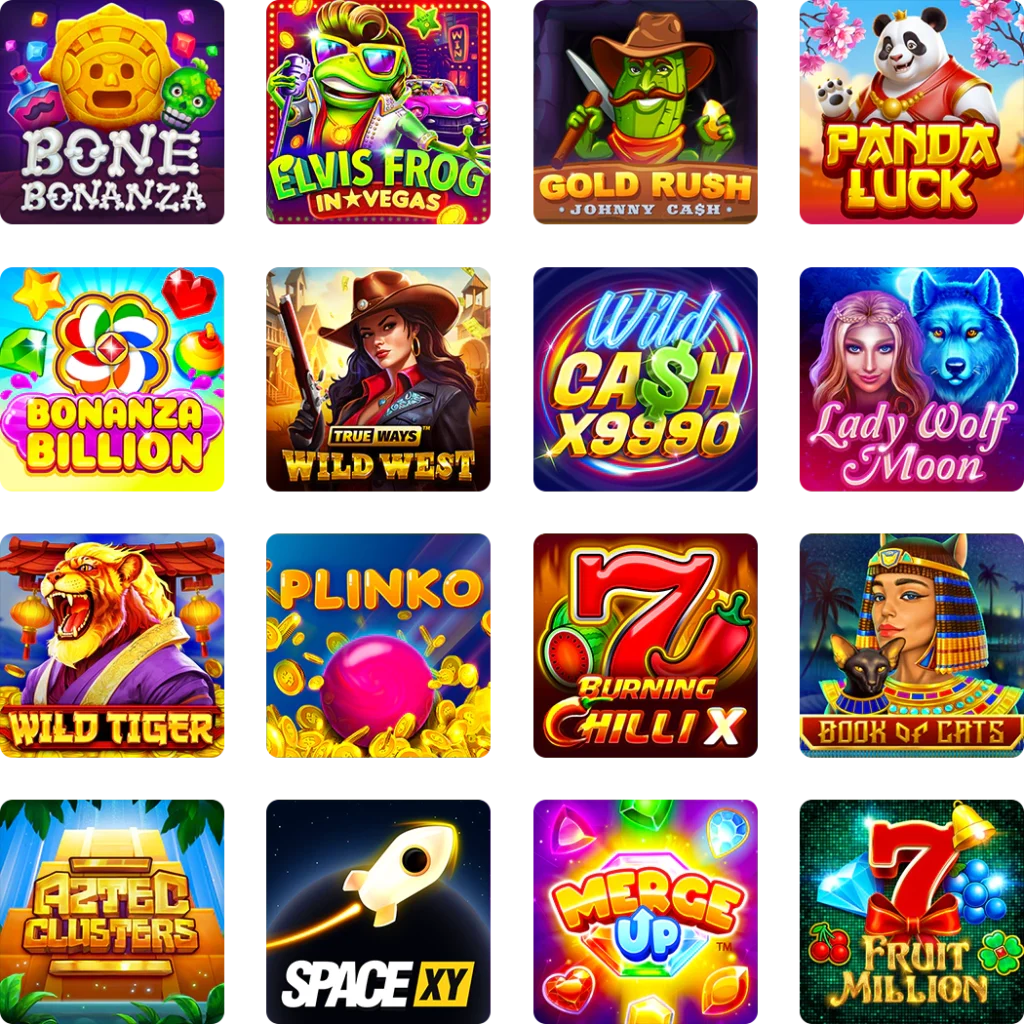
Top High-RTP Slot Games to Help Meet Wagering Requirements
| Name | Biggest win | RTP | Year | Provider |
|---|---|---|---|---|
| Aztec Gold Rush | £2,000,000 | 95.0% | 2026 | Pragmatic Play |
| Crystal Quest | £672,300 | 97.5% | 2023 | Play’n GO |
| Thunderstruck Legacy | £1,580,000 | 96.8% | 2025 | Microgaming |
| Golden Galleons | £1,240,000 | 97.1% | 2024 | Pragmatic Play |
The Role of casino nearby open 24 hours in Maximising Your Experience
The Evolving Landscape of UK Gambling Beyond Mainstream Casinos
As the UK gambling securities industry continues to mature, the diversity of options usable to players has expanded far beyond the traditional casino base. This exploration of non-branded gambling alternatives has revealed a rich arras of opportunities that cater to varied preferences, risk appetites, and entertainment styles. From the strategic depth of sports betting and the intellectual challenge of poker to the quick-fire excitement of bingo and the emerging world of skill-based gaming, to each one vertical offers a unique experience that stands on its have merits. For UK players in 2026, understanding this landscape is not just nigh finding the next thrill—it’s nigh making informed choices that align with personal values, budget, and expectations. The regulatory environment under the UK Gambling Commission remains unity of the strictest globally, ensuring that all licensed operators adhere to high standards of fairness, certificate, and responsible gambling. This way that whether you’re placing a bet on a football correspond, participating in an online poker tournament, or dabbing off numbers in a virtual bingo hall, you are protected by robust consumer safeguards. But, the onus also falls on players to engage with these platforms responsibly, background limits on time and money spent, and recognising when gambling ceases to be entertainment and becomes a problem. The UKGC’s emphasis on tools same deposit limits, reality checks, and self-exclusion schemes has localize a benchmark for player protection, and any reputable non-branded gambling site will prominently feature these options. Moreover, the rise of data-driven personalisation means that players can now curate their gambling experiences more on the nose, with algorithms suggesting games, bets, or tournaments based on past times behaviour. While this enhances interlocking, it also raises questions about the honorable utilize of data and the potential for exploitation of vulnerable individuals. Therefore, the most successful non-branded platforms in the UK are those that balance technological innovation with ethical responsibility, ensuring that gambler welfare is not sacrificed for profit. For newcomers, the sheer variety can be overwhelming, but a methodical approach—starting with low-stakes games, reading independent reviews, and utilising free-play modes—can assist build confidence without significant financial peril. The key takeaway is that gambling in the UK in 2026 is no longer a one-size-fits-all activity; it is a multifaceted industry that rewards research and cautious experimentation. Those who approach it with curiosity but cautiousness are more likely to derive unfeigned enjoyment while minimising harm. Ultimately, the conclusion of any responsible gambling instruction should reinforce that the house always has an edge in the long bleed, and no strategy can overcome that mathematical reality. Therefore, the primary goal should always be entertainment, not gain. By keeping this perspective, players can navigate the non-branded gambling landscape with clarity and control, making the most of what it has to offer without falling into the traps of excessive or reckless play.
The Role of Technology in Shaping Non-Branded Gambling Experiences
Technology has been the great enabler of the diversification seen in UK gambling, transforming what were once niche activities into mainstream entertainment options. The integration of artificial intelligence, blockchain, and virtual reality has created immersive and secure environments that rival the quality of branded casino offerings. For example, AI-driven algorithms now power personalised recommendations on non-branded sports betting platforms, analysing a user’s betting history to suggest matches or markets that align with their interests. This level of customisation was unthinkable a decennary ago and has significantly enhanced user engagement. Blockchain technology, while still in its early childhood in the UK regulated market, offers the promise of provably fair gaming, where players can independently verify the randomness of outcomes. This transparency is particularly appealing to those who are sceptical of traditional random number generators. Additionally, the adoption of faster payment systems, such as open banking and instant e-wallets, has streamlined deposits and withdrawals, reducing friction in the user journey.
crypto casino uk 2026 — crypto casino uk no deposit
A trustworthy platform for casino nearby uses SSL encryption.
Quick Guide to casino near me open now FAQ
What types of gambling fall under ‘other non-brand gambling’?
This category includes niche activities ilk raffles, charity lotteries, spread betting, and financial betting, as wellspring as emerging forms such as skill-based gaming and social casino games that do not involve real-money wagering.
Is it legal to participate in non-brand gambling activities online?
Legality depends on your jurisdiction. Many countries regulate these activities under specific gambling laws, so always check local legislation and ensure the platform holds a valid UK Gambling Commission (UKGC).
How can I identify a trustworthy non-brand gambling site?
Looking for clear licensing information, transparent terms and conditions, and independent audit certifications. Avoid platforms that lack a UK Gambling Commission (UKGC) or have vague ownership details.
Are there any special risks with non-brand gambling compared to traditional casino games?
Yes, some activities like spread out betting can involve unlimited losses, while others may have no standardised paytables. Always understand the rules and risk before participating.
What should I do if I suspect a non-brand gambling site is unfair?
Contact the licensing authority listed on the site, and cover the issuance to consumer protection agencies. Also, avoid depositing further funds and consider self-exclusion tools if available.
Recognising the Signs of Problem Gambling
Gambling is purely for adults aged 18 and over. All UK-licensed casinos are regulated by the Gambling Commission (UKGC). For self-exclusion, you can employ GAMSTOP, the national online scheme to block access to all UK gambling sites. If you need help, GamCare and BeGambleAware offer assist via the National Gambling Helpline on 0808 8020 133. Always exercise set deposit and time limits before you play, and treat gambling as entertainment only — never chase losses. Continue in control and gamble responsibly.
Recent Comments